
 Texto
Texto
Brazil attended COP-6 in Minamata without presenting an action plan to address mercury usage in mining
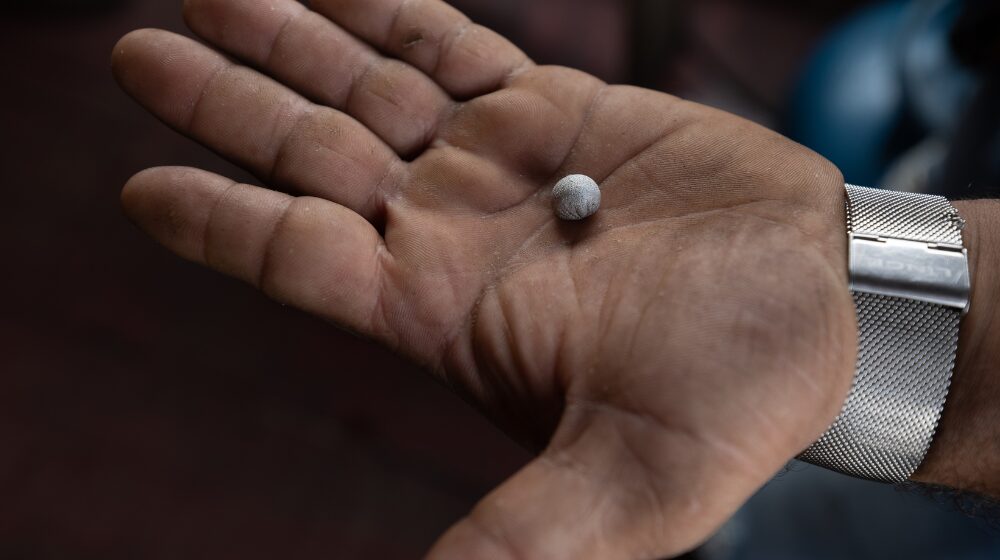 Mercúrio
Brazil will attend the sixth Conference of the Parties to the Minamata Convention on Mercury (COP-6), which is scheduled to take place from Monday (3) to Friday (7) in Geneva, Switzerland. The country does not have significant progress to report yet, as it has not presented its National Action Plan for mercury management in mining – a requirement that was due in 2020.
The Minamata Convention, signed in 2013 and effective as of 2017, is an international treaty designed to safeguard human health and the environment from the harmful effects of mercury. The convention bans new mercury mining operations and requires existing mines to shut down by 2032. Additionally, it sets deadlines for phasing out mercury from various products and industrial processes.
“It’s disappointing that Brazil has made so little progress since the treaty took effect, and that we’re attending COP-6 without any significant improvements compared to the previous meeting two years ago. While several industries have already stopped using mercury, the metal is still commonly used in gold mining in the Amazon,” says Larissa Rodrigues, Research Director at Instituto Escolhas.
Between 2018 and 2022, an estimated 185 tons of mercury with unknown origins may have been used in Brazil’s mining operations, according to the Instituto Escolhas. The study suggests that illegal imports likely originated from neighboring countries, such as Bolivia and Guyana, as Brazil does not produce mercury.
The researcher notes that, although mercury use and importation are already strictly controlled in Brazil, this does not stop the metal from entering the country and being used in mining. She believes it is essential to permanently ban the use of mercury in mining once and for all. “We need to start transitioning to mercury-free mining,” said the director of the Instituto Escolhas.
Larissa Rodrigues highlights the availability of efficient gold extraction techniques that do not require mercury, including shaking tables, conveyor belts, and gold pans. These systems only use water and gravitational force to separate and purify gold.
The director also argues that Brazil should present and implement a National Action Plan to demonstrate how the country will make this transition, as required by the Minamata Convention. “It is unacceptable that we have once again failed to fulfill this commitment,” she stated. Larissa believes it is crucial to establish a clear timeline for eliminating mercury from gold mining, along with concrete strategies to achieve this essential goal for public health.
Please click here to learn more.